
The Ukon Turmeric Products

Dive Into The Facts Of Ukon, Why It's Important & The Different Products
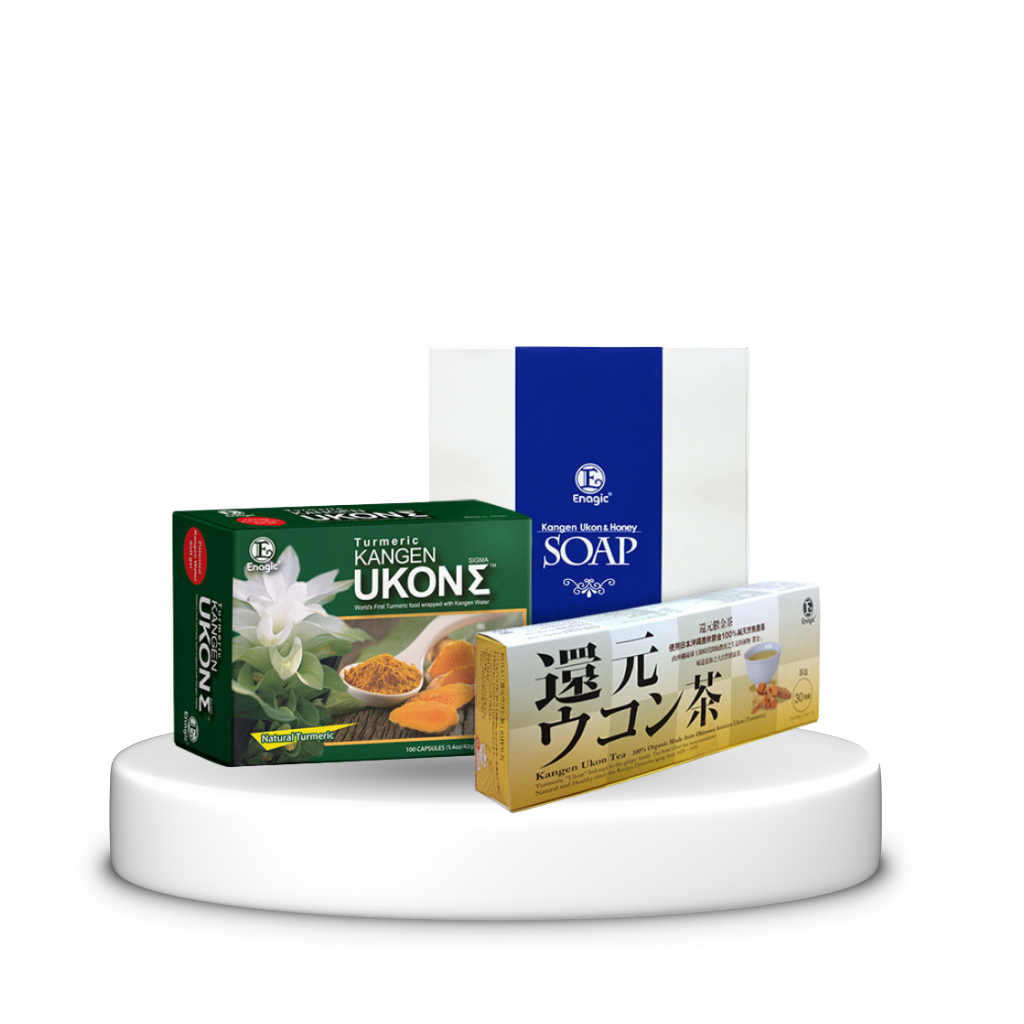
The Ukon
Turmeric Products
Dive Into The Facts Of Ukon, Why It's Important & The Different Products
What Is Ukon Turmeric?
What Is Ukon Turmeric?
Ukon turmeric refers to a specific variety of turmeric derived from Curcuma longa, a rhizomatous plant in the ginger family (Zingiberaceae). Native to Southeast Asia and widely cultivated in Japan (particularly Okinawa), to support digestion and liver health. The main active compound in turmeric is curcumin, a natural plant polyphenol that has been widely studied for its antioxidant and anti-inflammatory properties. Antioxidants help neutralize unstable molecules called free radicals, which can contribute to oxidative stress in the body.
Curcumin has also been shown in research to influence certain cellular pathways involved in the body’s inflammatory response, helping support a balanced and healthy reaction to everyday stressors. In addition to curcumin, turmeric contains natural compounds called turmerones that may contribute to its overall biological activity. While curcumin is not easily absorbed on its own, turmeric remains one of the most researched botanicals for supporting overall wellness, particularly in relation to cellular protection and healthy liver function.
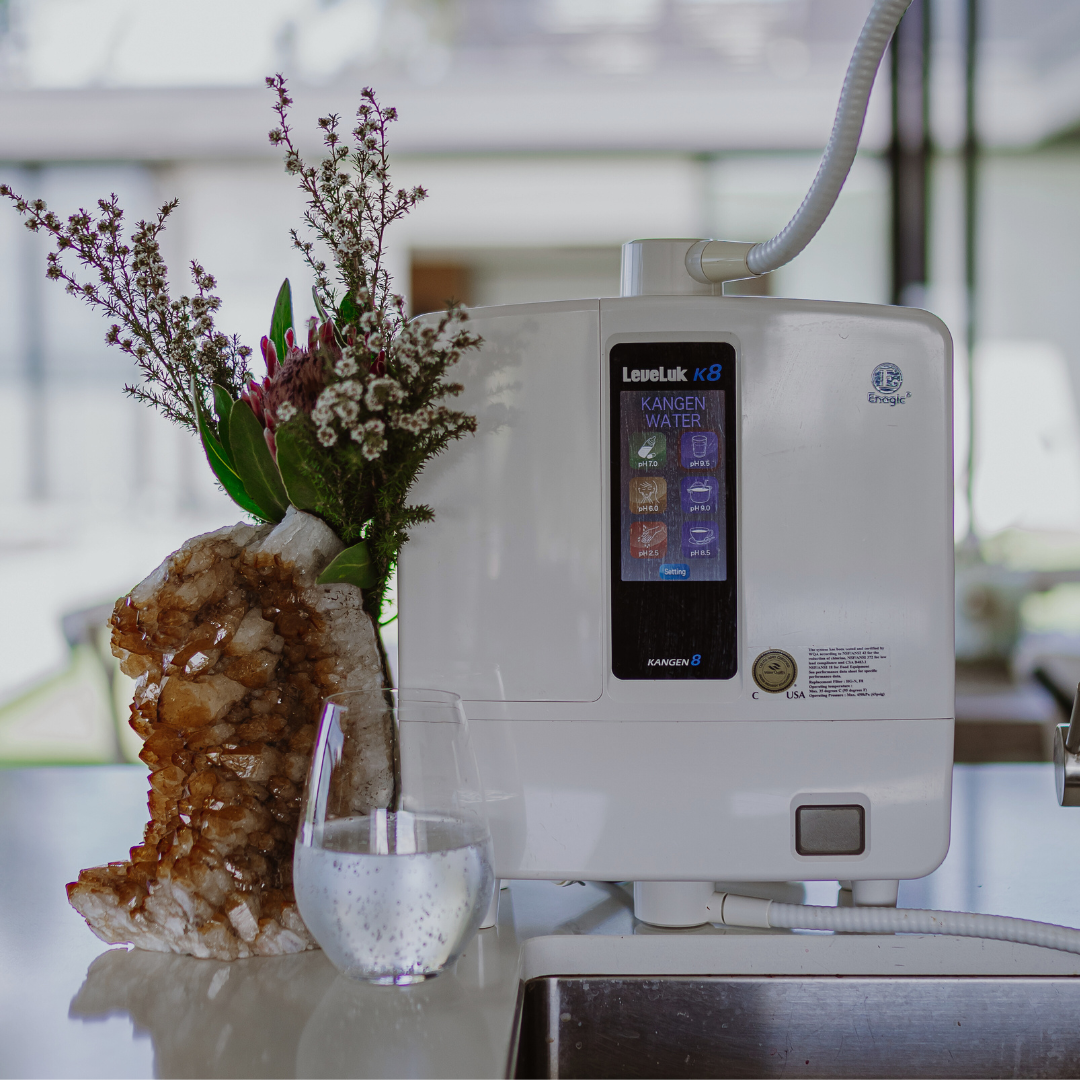
Kangen Water is produced through a process called electrolysis using a device manufactured by Enagic. First, tap water passes through a high-grade carbon filter, which helps reduce common impurities such as chlorine, sediment, and some volatile organic compounds, while retaining naturally occurring minerals like calcium and magnesium. This is important because the next stage, electrolysis, relies on those minerals to function properly. Inside the electrolysis chamber—equipped with platinum-coated titanium plates—an electrical current is applied to the water. This process separates the water into two streams: alkaline water, which has a higher pH and a negative oxidation-reduction potential (ORP), and acidic water, which is often used for cleaning or topical purposes.
What sets Kangen Water apart from standard tap, bottled, or reverse osmosis water is its adjustable pH range and altered electrical charge (ORP). While most bottled waters are neutral or slightly acidic and lack active mineral content, Kangen Water is mineral-rich, electrically modified, and customizable based on intended use—ranging from strong acidic to strong alkaline levels. The properties of the water, such as pH and ORP, depend on the local water source and machine settings. While filtration and electrolysis are well-established processes, it's important to view Kangen Water through the lens of chemistry and avoid overstated health claims unless supported by clinical evidence.
Kangen Water is produced through a process called electrolysis using a device manufactured by Enagic. First, tap water passes through a high-grade carbon filter, which helps reduce common impurities such as chlorine, sediment, and some volatile organic compounds, while retaining naturally occurring minerals like calcium and magnesium. This is important because the next stage, electrolysis, relies on those minerals to function properly. Inside the electrolysis chamber Electrolysis simply means using electricity to cause a chemical reaction in water. Inside the machine, the water flows over electrically charged plates. When the electrical current passes through, it separates the water into two streams. On the negative side, water molecules gain electrons (a process called reduction), which produces dissolved molecular hydrogen gas (H₂) and increases hydroxide ions (OH⁻), making the water more alkaline. On the positive side, an acidic stream is produced. The drinking water comes from the negative side, which is why it contains dissolved hydrogen gas and has a higher pH than the original tap water.
What makes this water unique is the presence of dissolved molecular hydrogen. Hydrogen gas is the smallest molecule in existence, allowing it to diffuse easily throughout the body after consumption. Research suggests that molecular hydrogen may help reduce oxidative stress by selectively neutralizing highly reactive free radicals and supporting healthy cellular signaling. Because the electrolysis process happens instantly as the water flows through the machine, hydrogen-rich water is produced fresh from the tap.
What sets Kangen Water apart from standard tap, bottled, or reverse osmosis water is its adjustable pH range and altered electrical charge (ORP). While most bottled waters are neutral or slightly acidic and lack active mineral content, Kangen Water is mineral-rich, electrically modified, and customizable based on intended use—ranging from strong acidic to strong alkaline levels. The properties of the water, such as pH and ORP, depend on the local water source and machine settings. While filtration and electrolysis are well-established processes, it's important to view Kangen Water through the lens of chemistry and avoid overstated health claims unless supported by clinical evidence.
Kangen Water is produced through a process called electrolysis using a device manufactured by Enagic. First, tap water passes through a high-grade carbon filter, which helps reduce common impurities such as chlorine, sediment, and some volatile organic compounds, while retaining naturally occurring minerals like calcium and magnesium. This is important because the next stage, electrolysis, relies on those minerals to function properly. Inside the electrolysis chamber—equipped with platinum-coated titanium plates—an electrical current is applied to the water. This process separates the water into two streams: alkaline water, which has a higher pH and a negative oxidation-reduction potential (ORP), and acidic water, which is often used for cleaning or topical purposes.
What sets Kangen Water apart from standard tap, bottled, or reverse osmosis water is its adjustable pH range and altered electrical charge (ORP). While most bottled waters are neutral or slightly acidic and lack active mineral content, Kangen Water is mineral-rich, electrically modified, and customizable based on intended use—ranging from strong acidic to strong alkaline levels. The properties of the water, such as pH and ORP, depend on the local water source and machine settings. While filtration and electrolysis are well-established processes, it's important to view Kangen Water through the lens of chemistry and avoid overstated health claims unless supported by clinical evidence.
Ukon turmeric refers to a specific variety of turmeric derived from Curcuma longa, a rhizomatous plant in the ginger family (Zingiberaceae). Native to Southeast Asia and widely cultivated in Japan (particularly Okinawa), to support digestion and liver health. The main active compound in turmeric is curcumin, a natural plant polyphenol that has been widely studied for its antioxidant and anti-inflammatory properties. Antioxidants help neutralize unstable molecules called free radicals, which can contribute to oxidative stress in the body.
Curcumin has also been shown in research to influence certain cellular pathways involved in the body’s inflammatory response, helping support a balanced and healthy reaction to everyday stressors. In addition to curcumin, turmeric contains natural compounds called turmerones that may contribute to its overall biological activity. While curcumin is not easily absorbed on its own, turmeric remains one of the most researched botanicals for supporting overall wellness, particularly in relation to cellular protection and healthy liver function.
Ukon Turmeric Supplements
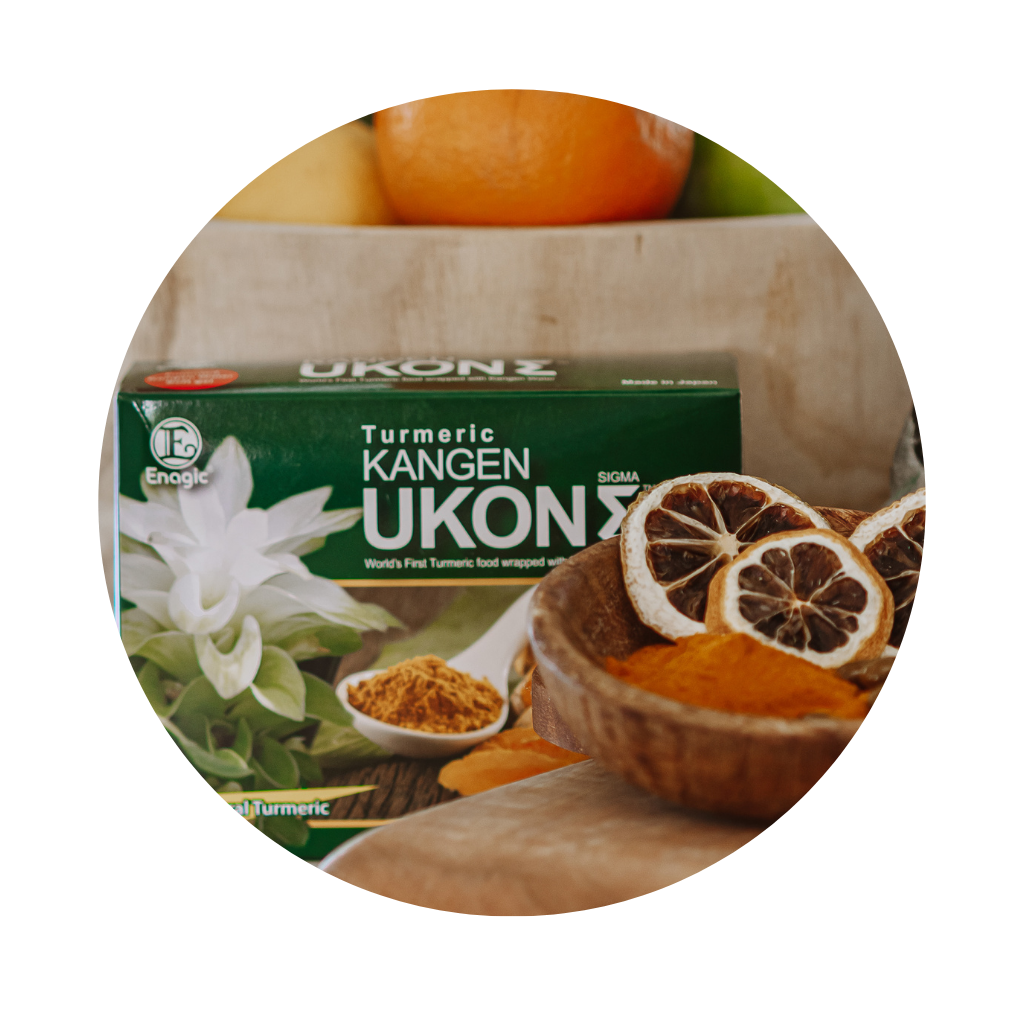
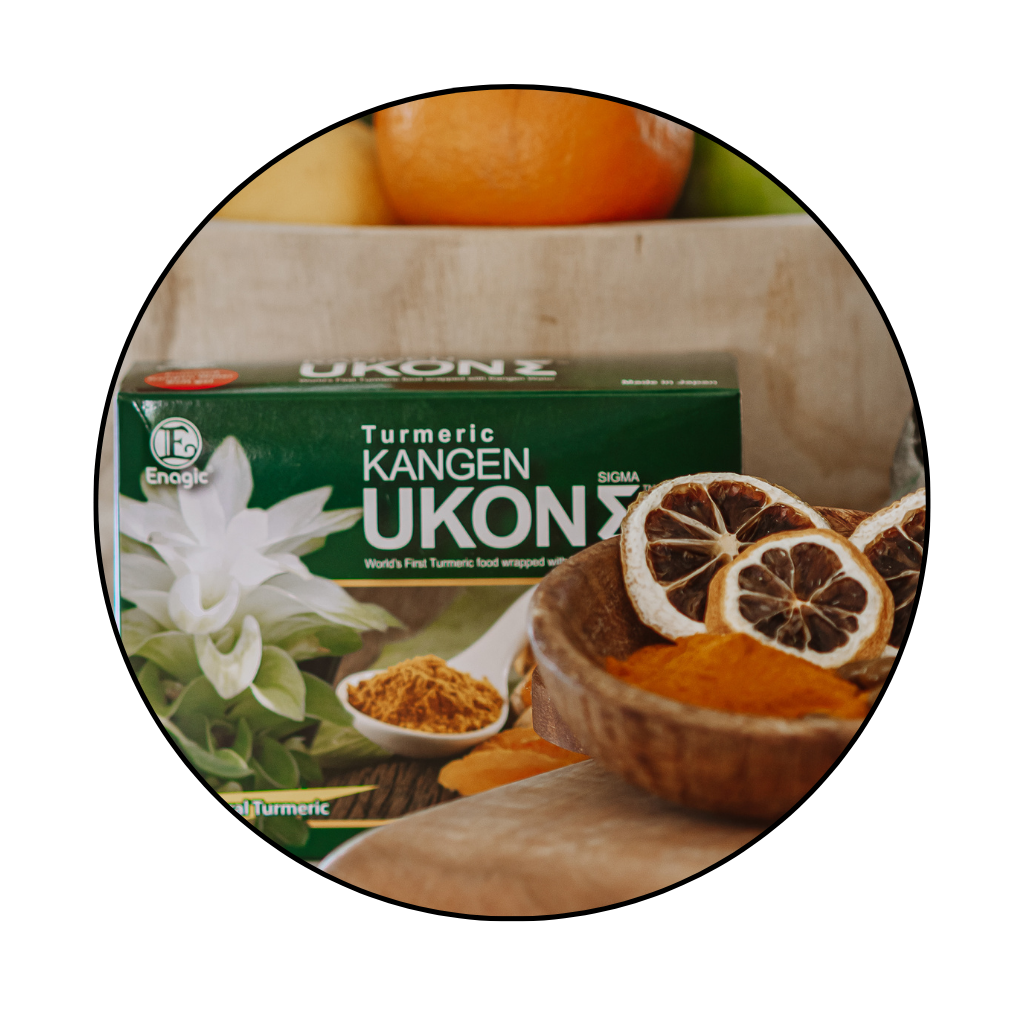
Enagic’s Ukon turmeric supplement is derived from Curcuma longa, a rhizome traditionally cultivated in Okinawa, Japan, and is grown and processed using Kangen Water as part of Enagic’s clean-water philosophy. While plants absorb water naturally through their roots regardless of source, using filtered, mineral-balanced water during cultivation and processing supports a controlled growing environment focused on purity and quality. After harvest, the turmeric root is washed, dried, and prepared into a concentrated supplement form. The key active compounds in turmeric are curcuminoids — especially curcumin — a plant-based polyphenol studied for its antioxidant properties and its ability to support the body’s normal inflammatory response. Curcumin helps neutralize free radicals generated through metabolism and environmental exposure, and research shows it interacts with cellular pathways involved in oxidative stress balance. What differentiates Enagic’s Ukon is its sourcing and production approach, combining traditionally valued Okinawan turmeric with careful water-focused cultivation and processing to maintain the integrity of the plant’s naturally occurring beneficial compounds.

Ukon & Honey Soap
Enagic’s Ukon soap incorporates turmeric extract into a topical cleansing product. Turmeric contains antioxidant and skin-supportive compounds that may help protect the skin from environmental stressors. When used topically, turmeric is valued for its natural soothing properties and its role in supporting healthy-looking skin. The soap is designed to cleanse while delivering botanical components that may help maintain skin clarity and balance. Unlike ingestible forms, the soap works externally — supporting the skin barrier by gently cleansing without harsh additives, while incorporating plant-based compounds known for their antioxidant activity.
Ukon Turmeric Tea
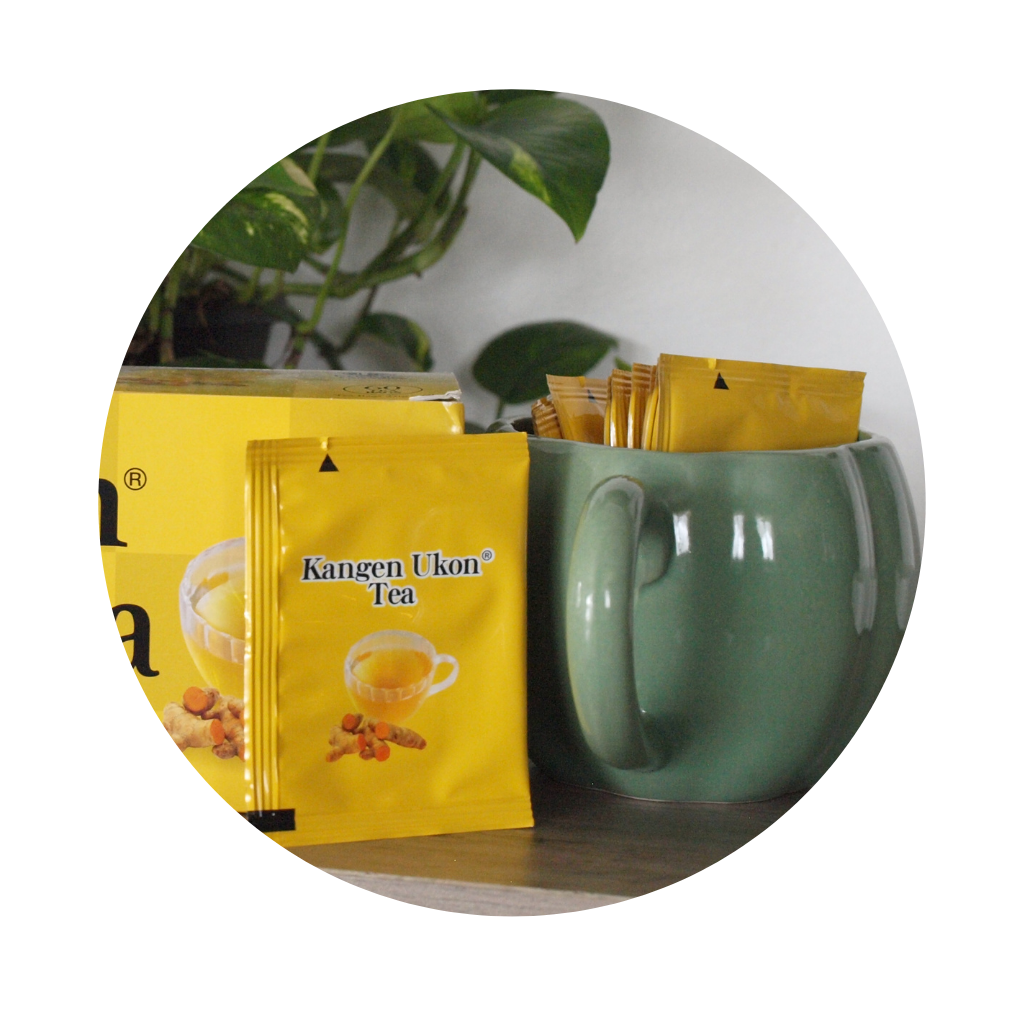
Ukon tea is made from turmeric root, allowing its naturally occurring compounds — including curcuminoids and aromatic oils like turmerone — to be gently extracted in hot water. Unlike concentrated capsules, tea provides a milder, traditional form of consumption that aligns closely with how turmeric has historically been used in Okinawan culture. Drinking turmeric tea supports hydration while delivering plant antioxidants that may help the body manage oxidative stress. The warm preparation may also support digestion and circulation, as turmeric has traditionally been used as a digestive botanical. While tea contains lower concentrations of curcumin than supplements, it offers a gentle, daily wellness approach rooted in traditional use.
Molecular hydrogen (H₂) is a colorless, odorless gas made of two hydrogen atoms bonded together and is the smallest and lightest molecule in existence. Unlike hydrogen ions (H⁺), which determine acidity and pH, molecular hydrogen is a neutral dissolved gas that can be infused into water and consumed. Because of its extremely small size and nonpolar nature, H₂ can rapidly diffuse across cell membranes and even cross the blood–brain barrier, allowing it to distribute throughout the body after ingestion or inhalation.
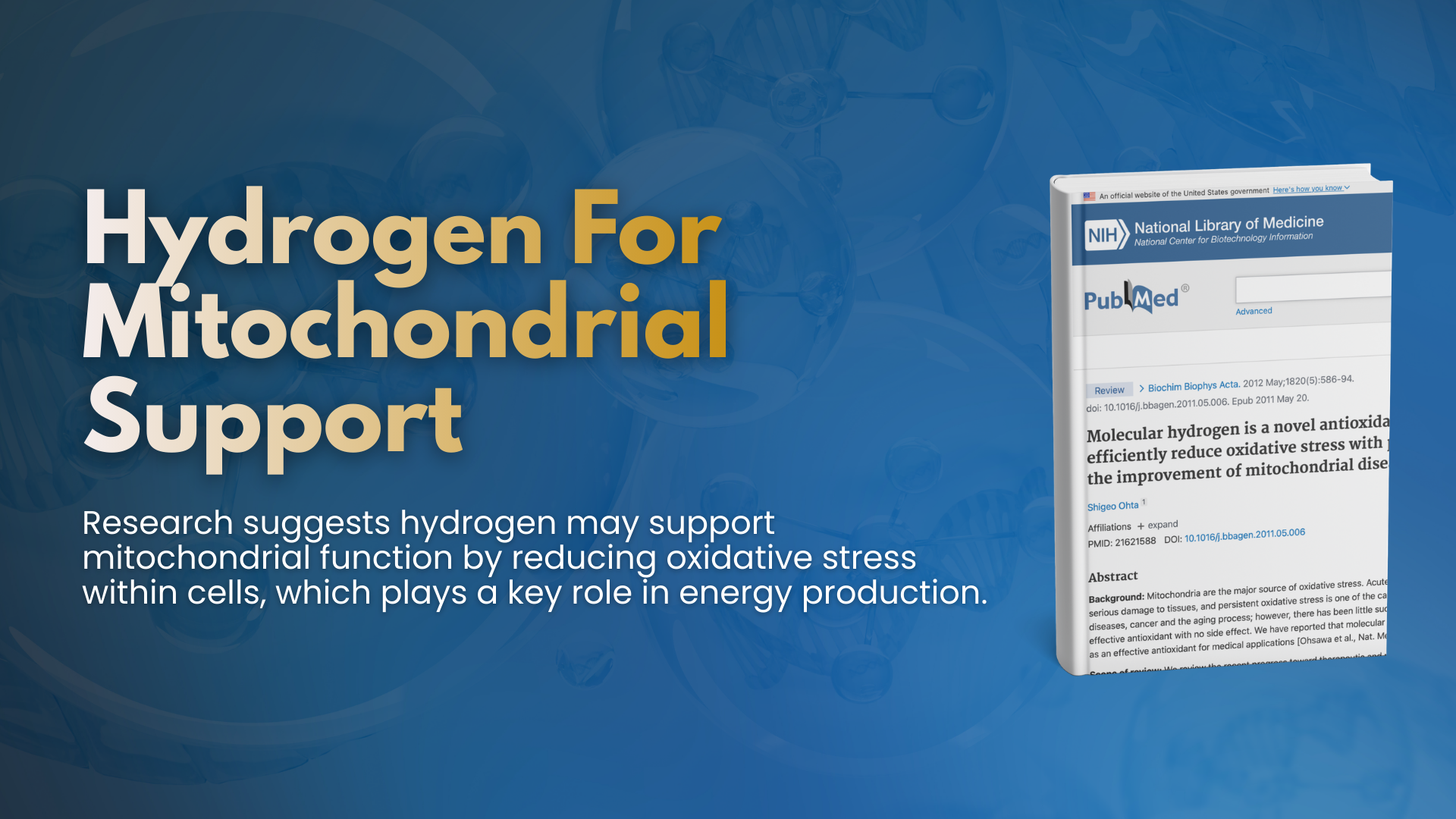
Research over the past decade and a half suggests that molecular hydrogen may act as a selective antioxidant, meaning it preferentially reacts with highly reactive and damaging oxidants such as hydroxyl radicals while not interfering with beneficial reactive oxygen species involved in normal cellular signaling. Beyond direct radical scavenging, studies indicate hydrogen may influence redox-sensitive signaling pathways, gene expression, and mitochondrial function, contributing to reduced oxidative stress and modulation of inflammatory responses. Importantly, hydrogen is not a mineral, vitamin, or alkaline substance; its proposed biological effects are linked specifically to dissolved H₂ gas concentration, often measured in parts per million (ppm), and excess hydrogen is simply exhaled, contributing to its strong safety profile in human research to date.
Ukon Turmeric Supplements
Enagic’s Ukon turmeric supplement is derived from Curcuma longa, a rhizome traditionally cultivated in Okinawa, Japan, and is grown and processed using Kangen Water as part of Enagic’s clean-water philosophy. While plants absorb water naturally through their roots regardless of source, using filtered, mineral-balanced water during cultivation and processing supports a controlled growing environment focused on purity and quality. After harvest, the turmeric root is washed, dried, and prepared into a concentrated supplement form. The key active compounds in turmeric are curcuminoids — especially curcumin — a plant-based polyphenol studied for its antioxidant properties and its ability to support the body’s normal inflammatory response. Curcumin helps neutralize free radicals generated through metabolism and environmental exposure, and research shows it interacts with cellular pathways involved in oxidative stress balance. What differentiates Enagic’s Ukon is its sourcing and production approach, combining traditionally valued Okinawan turmeric with careful water-focused cultivation and processing to maintain the integrity of the plant’s naturally occurring beneficial compounds.
Ukon & Honey Soap
Enagic’s Ukon soap incorporates turmeric extract into a topical cleansing product. Turmeric contains antioxidant and skin-supportive compounds that may help protect the skin from environmental stressors. When used topically, turmeric is valued for its natural soothing properties and its role in supporting healthy-looking skin. The soap is designed to cleanse while delivering botanical components that may help maintain skin clarity and balance. Unlike ingestible forms, the soap works externally — supporting the skin barrier by gently cleansing without harsh additives, while incorporating plant-based compounds known for their antioxidant activity.
Ukon Turmeric Tea
Ukon tea is made from turmeric root, allowing its naturally occurring compounds — including curcuminoids and aromatic oils like turmerone — to be gently extracted in hot water. Unlike concentrated capsules, tea provides a milder, traditional form of consumption that aligns closely with how turmeric has historically been used in Okinawan culture. Drinking turmeric tea supports hydration while delivering plant antioxidants that may help the body manage oxidative stress. The warm preparation may also support digestion and circulation, as turmeric has traditionally been used as a digestive botanical. While tea contains lower concentrations of curcumin than supplements, it offers a gentle, daily wellness approach rooted in traditional use.
Ukon Turmeric Supplements
The Anespa DX is designed to integrate directly into your existing shower setup without plumbing modifications, making it a practical water-quality upgrade rather than a renovation project. It connects through standard shower fittings and functions passively — meaning once installed, it continuously filters and conditions water every time the shower runs, with no electricity or complicated settings required.
During a typical 10-minute shower, the body can be exposed to 15–25 gallons of water, and while the skin is a protective barrier rather than a sponge, warm water and steam increase surface contact and inhalation of chlorine vapors. If water is not filtered at the source, your skin and lungs become the point of contact for those compounds. By reducing chlorine and conditioning the water before it reaches you, the system helps shift the filtration process to the device rather than your body — supporting the skin barrier and creating a gentler daily exposure experience. The ease of installation, simple cartridge replacement, and compatibility with standard plumbing make it accessible for renters and homeowners alike who want a consistent water-quality upgrade without complexity.
Deeper Dive Into Ukon
A Deeper Dive Into The Ukon
Learn How The Outputs Of This System Can Create Massive Benefits In Your Skin Health

Why Kangen Water Works...
Why Kangen Water Works
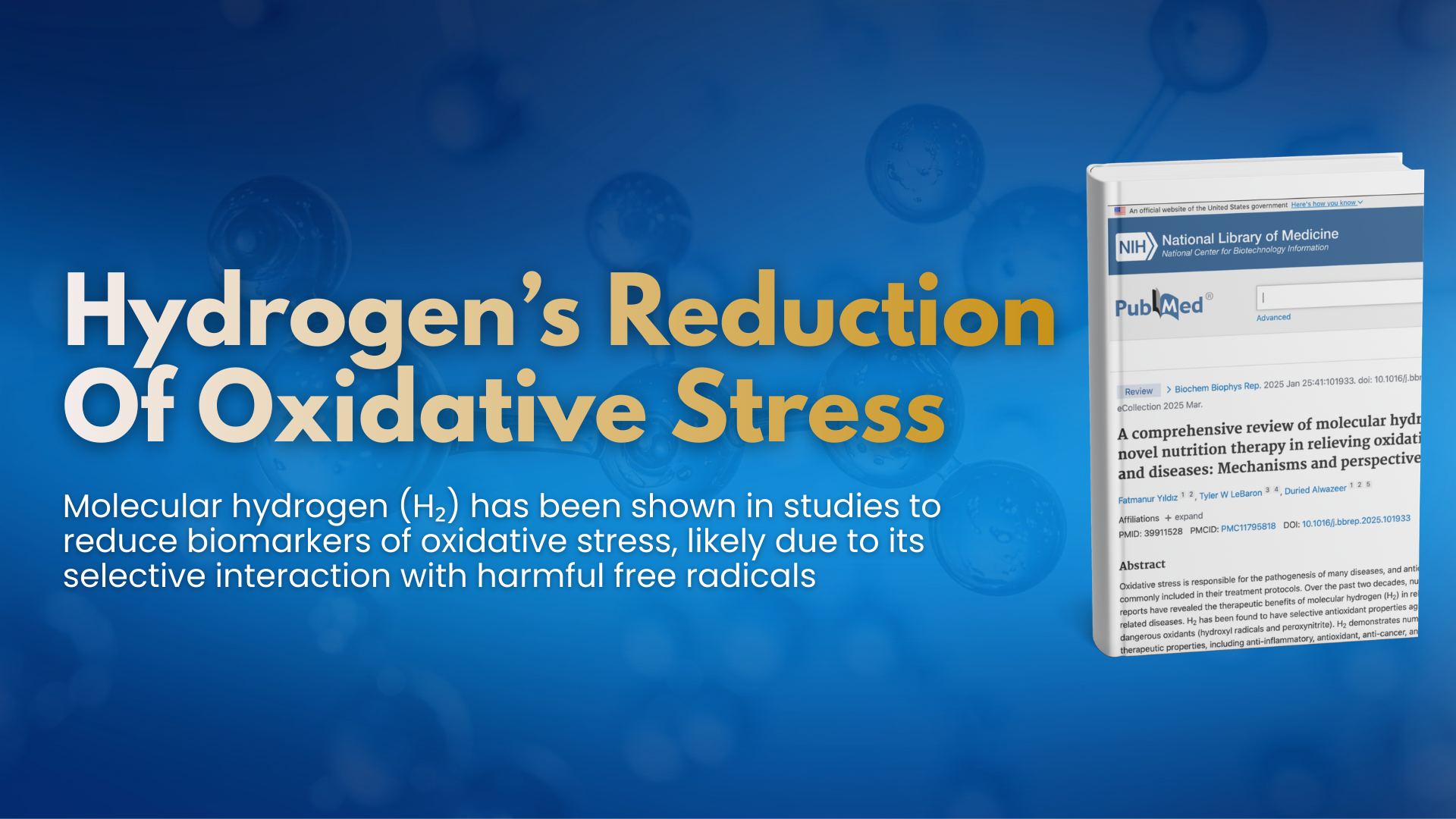
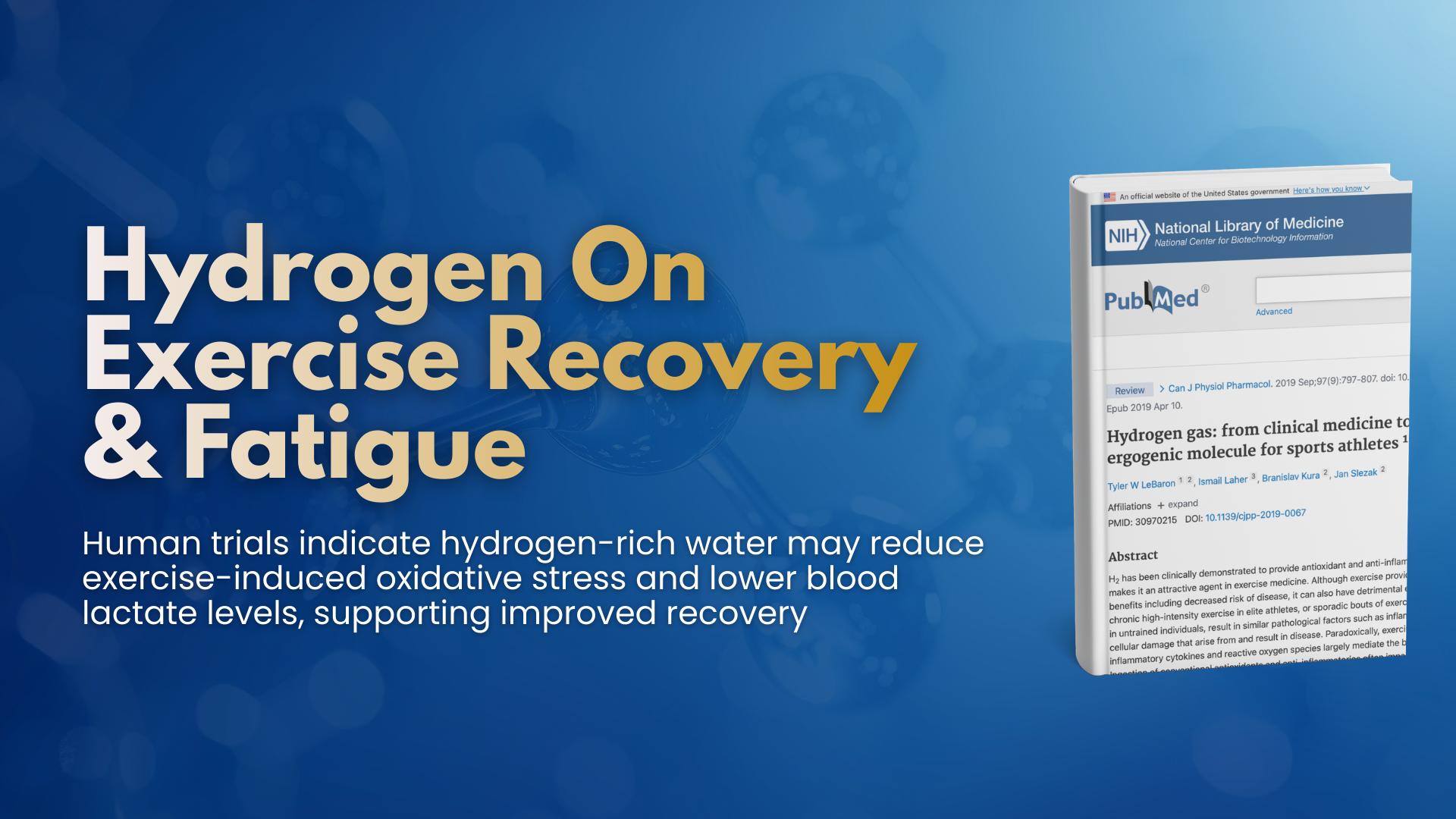
Kangen Water “works,” from a scientific standpoint, because it contains dissolved molecular hydrogen gas (H₂). Inside the water that's created from the K8 machine, filtered tap water flows over electrically charged titanium plates, and electrolysis occurs—meaning an electrical current separates some of the water molecules (H₂O), allowing hydrogen gas to form and dissolve directly into the water. It’s this dissolved H₂—not the alkalinity alone—that has been studied for therapeutic potential. Molecular hydrogen is uniquely small and neutral, allowing it to diffuse into cells and tissues where it can selectively neutralize harmful reactive oxygen species and influence cell signaling pathways related to inflammation and oxidative stress.
When hydrogen gas is no longer present (because it dissipates over time), those biological effects are no longer observed in studies, which tells us the benefit is tied specifically to the dissolved hydrogen concentration. A machine that produces hydrogen-rich water on demand allows you to generate and consume it immediately—when hydrogen levels are at their highest—rather than relying on products where hydrogen may degrade before consumption.
Why Kangen Water Works...
How Turmeric Works
Turmeric supports the body primarily because of its active plant compounds called curcuminoids, especially curcumin. Curcumin is a natural polyphenol with antioxidant properties, meaning it helps neutralize free radicals — unstable molecules produced through normal metabolism and environmental exposure that can contribute to oxidative stress. Research shows curcumin also influences cellular signaling pathways involved in the body’s normal inflammatory response, helping maintain healthy balance rather than shutting natural processes down. It can additionally support the body’s own antioxidant defense enzymes, such as superoxide dismutase (SOD) and catalase.
What makes certain turmeric products different comes down to sourcing, cultivation, and processing — including how the plant is grown, how carefully it is handled after harvest, and whether clean, filtered water and controlled drying methods are used to preserve the integrity of its naturally occurring compounds. While the biological activity comes from turmeric itself, quality cultivation and processing can influence purity, consistency, and overall product integrity compared to generic or mass-produced turmeric sources.
Why Turmeric Works...
Turmeric supports the body primarily because of its active plant compounds called curcuminoids, especially curcumin. Curcumin is a natural polyphenol with antioxidant properties, meaning it helps neutralize free radicals — unstable molecules produced through normal metabolism and environmental exposure that can contribute to oxidative stress. Research shows curcumin also influences cellular signaling pathways involved in the body’s normal inflammatory response, helping maintain healthy balance rather than shutting natural processes down. It can additionally support the body’s own antioxidant defense enzymes, such as superoxide dismutase (SOD) and catalase.
What makes certain turmeric products different comes down to sourcing, cultivation, and processing — including how the plant is grown, how carefully it is handled after harvest, and whether clean, filtered water and controlled drying methods are used to preserve the integrity of its naturally occurring compounds. While the biological activity comes from turmeric itself, quality cultivation and processing can influence purity, consistency, and overall product integrity compared to generic or mass-produced turmeric sources.
Why Kangen Water Works
Why Kangen Water Works...
Why Kangen Water Works
Kangen Water “works,” from a scientific standpoint, because it contains dissolved molecular hydrogen gas (H₂). Inside the water that's created from the K8 machine, filtered tap water flows over electrically charged titanium plates, and electrolysis occurs—meaning an electrical current separates some of the water molecules (H₂O), allowing hydrogen gas to form and dissolve directly into the water. It’s this dissolved H₂—not the alkalinity alone—that has been studied for therapeutic potential. Molecular hydrogen is uniquely small and neutral, allowing it to diffuse into cells and tissues where it can selectively neutralize harmful reactive oxygen species and influence cell signaling pathways related to inflammation and oxidative stress. When hydrogen gas is no longer present (because it dissipates over time), those biological effects are no longer observed in studies, which tells us the benefit is tied specifically to the dissolved hydrogen concentration. A machine that produces hydrogen-rich water on demand allows you to generate and consume it immediately—when hydrogen levels are at their highest—rather than relying on products where hydrogen may degrade before consumption.
Copyright © 2026. All rights reserved. Elevated Hydration