
The EmGuarde EMF Protector

Dive Into The Facts Of EmGuarde & Why It Can Be Beneficial
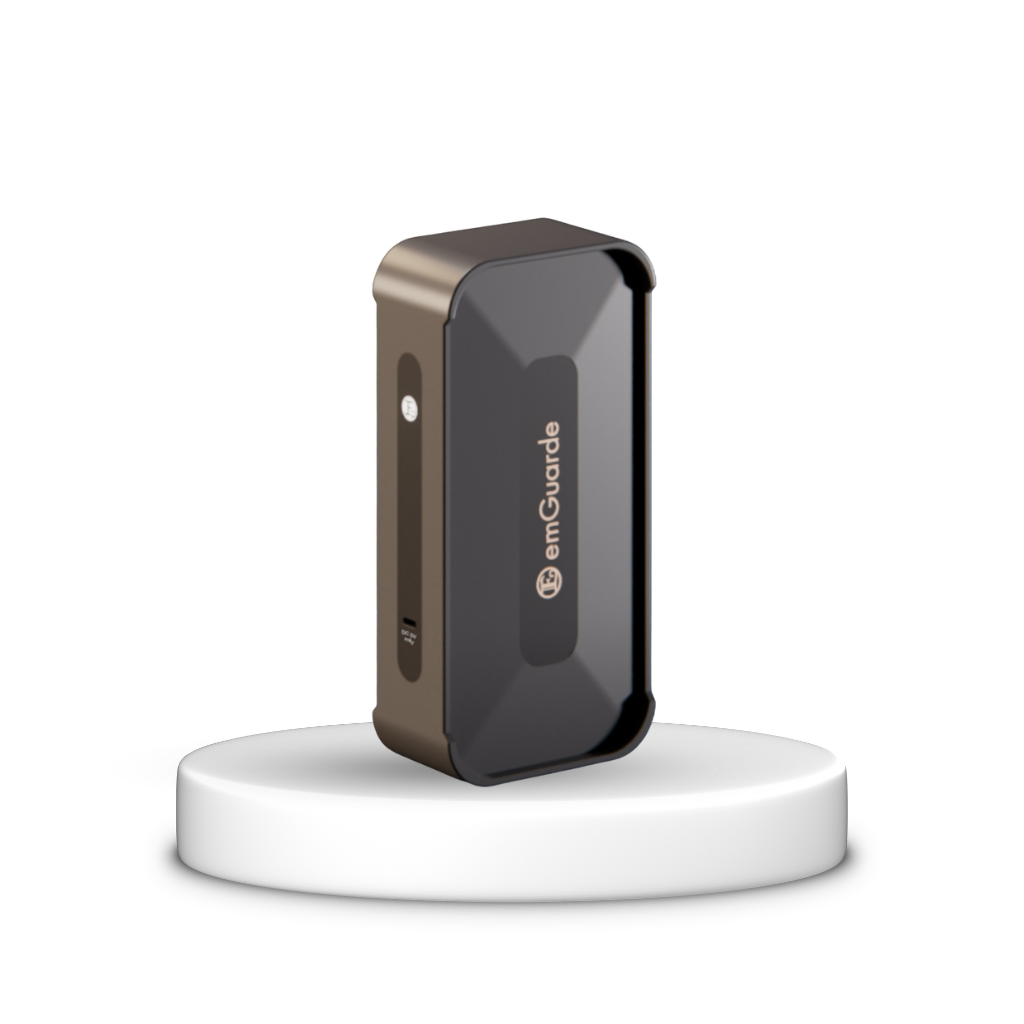
The EmGuarde EMF Protector
Dive Into The Facts Of EmGuarde & Why It Can Be Beneficial
What Is The EmGuarde?
What Is The EmGuarde?
EmGuarde is a wearable EMF harmonizing device designed for individuals who want to take a precautionary approach to living in a highly wireless world. It is a passive product, meaning it does not emit signals, require power, or need charging. Instead of blocking or shielding electromagnetic radiation, which can interfere with device performance, EmGuarde is intended to interact with surrounding electromagnetic fields through its material composition. It is worn on the body or kept nearby throughout the day as a lifestyle support tool for those who are regularly exposed to Wi-Fi, cell phones, Bluetooth devices, smart meters, and other sources of non-ionizing electromagnetic radiation.
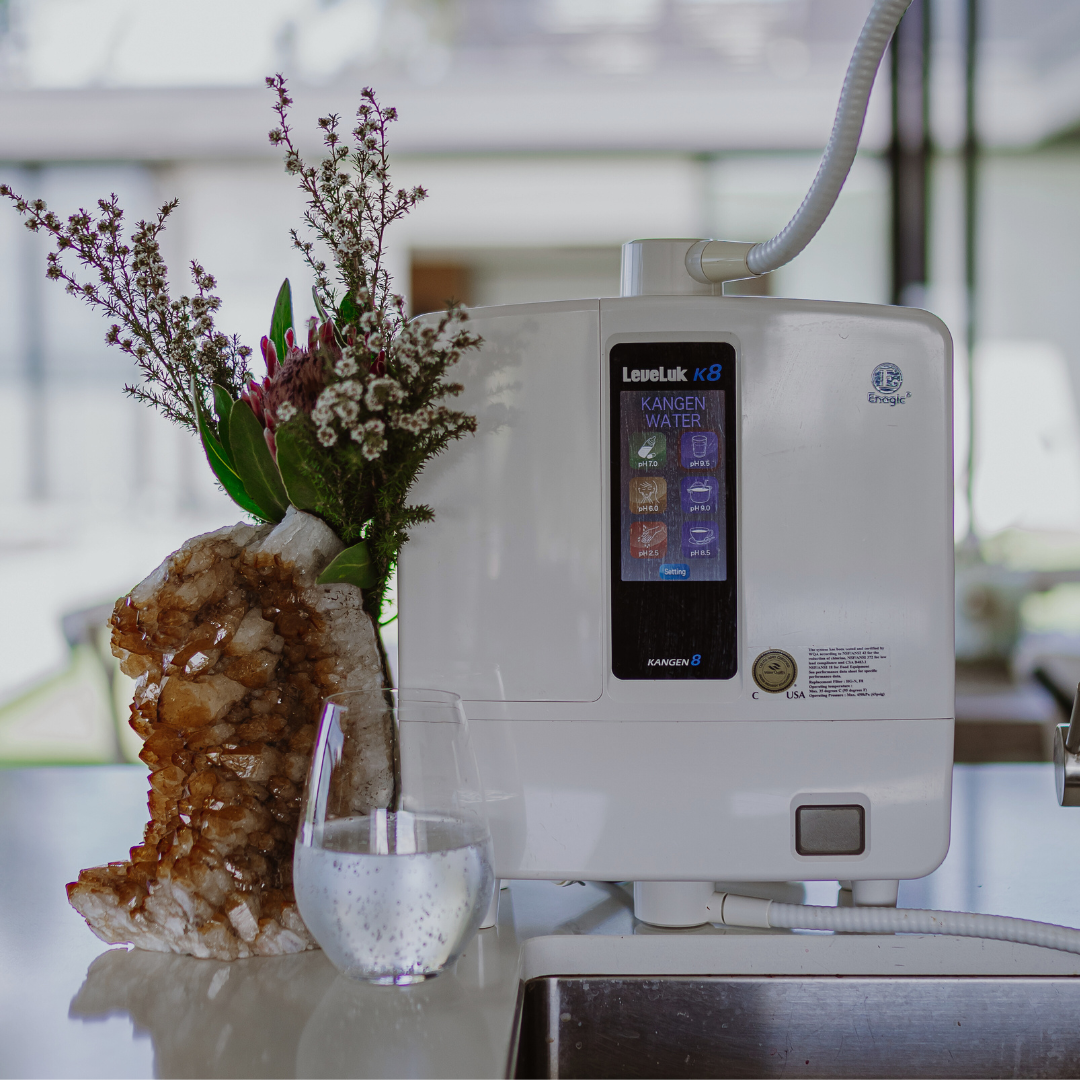
Kangen Water is produced through a process called electrolysis using a device manufactured by Enagic. First, tap water passes through a high-grade carbon filter, which helps reduce common impurities such as chlorine, sediment, and some volatile organic compounds, while retaining naturally occurring minerals like calcium and magnesium. This is important because the next stage, electrolysis, relies on those minerals to function properly. Inside the electrolysis chamber—equipped with platinum-coated titanium plates—an electrical current is applied to the water. This process separates the water into two streams: alkaline water, which has a higher pH and a negative oxidation-reduction potential (ORP), and acidic water, which is often used for cleaning or topical purposes.
What sets Kangen Water apart from standard tap, bottled, or reverse osmosis water is its adjustable pH range and altered electrical charge (ORP). While most bottled waters are neutral or slightly acidic and lack active mineral content, Kangen Water is mineral-rich, electrically modified, and customizable based on intended use—ranging from strong acidic to strong alkaline levels. The properties of the water, such as pH and ORP, depend on the local water source and machine settings. While filtration and electrolysis are well-established processes, it's important to view Kangen Water through the lens of chemistry and avoid overstated health claims unless supported by clinical evidence.
Kangen Water is produced through a process called electrolysis using a device manufactured by Enagic. First, tap water passes through a high-grade carbon filter, which helps reduce common impurities such as chlorine, sediment, and some volatile organic compounds, while retaining naturally occurring minerals like calcium and magnesium. This is important because the next stage, electrolysis, relies on those minerals to function properly. Inside the electrolysis chamber Electrolysis simply means using electricity to cause a chemical reaction in water. Inside the machine, the water flows over electrically charged plates. When the electrical current passes through, it separates the water into two streams. On the negative side, water molecules gain electrons (a process called reduction), which produces dissolved molecular hydrogen gas (H₂) and increases hydroxide ions (OH⁻), making the water more alkaline. On the positive side, an acidic stream is produced. The drinking water comes from the negative side, which is why it contains dissolved hydrogen gas and has a higher pH than the original tap water.
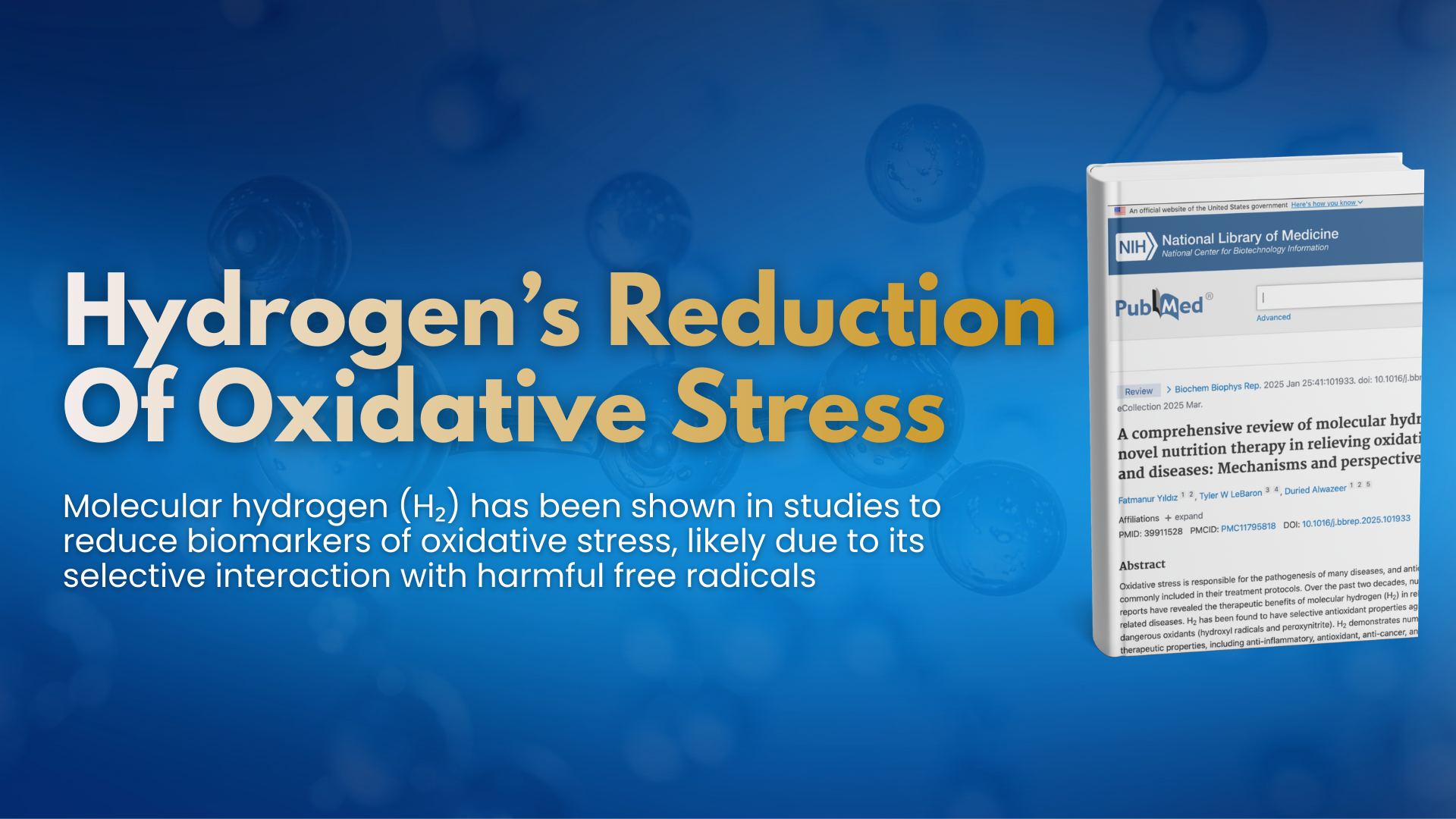
What makes this water unique is the presence of dissolved molecular hydrogen. Hydrogen gas is the smallest molecule in existence, allowing it to diffuse easily throughout the body after consumption. Research suggests that molecular hydrogen may help reduce oxidative stress by selectively neutralizing highly reactive free radicals and supporting healthy cellular signaling. Because the electrolysis process happens instantly as the water flows through the machine, hydrogen-rich water is produced fresh from the tap.
What sets Kangen Water apart from standard tap, bottled, or reverse osmosis water is its adjustable pH range and altered electrical charge (ORP). While most bottled waters are neutral or slightly acidic and lack active mineral content, Kangen Water is mineral-rich, electrically modified, and customizable based on intended use—ranging from strong acidic to strong alkaline levels. The properties of the water, such as pH and ORP, depend on the local water source and machine settings. While filtration and electrolysis are well-established processes, it's important to view Kangen Water through the lens of chemistry and avoid overstated health claims unless supported by clinical evidence.
Kangen Water is produced through a process called electrolysis using a device manufactured by Enagic. First, tap water passes through a high-grade carbon filter, which helps reduce common impurities such as chlorine, sediment, and some volatile organic compounds, while retaining naturally occurring minerals like calcium and magnesium. This is important because the next stage, electrolysis, relies on those minerals to function properly. Inside the electrolysis chamber—equipped with platinum-coated titanium plates—an electrical current is applied to the water. This process separates the water into two streams: alkaline water, which has a higher pH and a negative oxidation-reduction potential (ORP), and acidic water, which is often used for cleaning or topical purposes.
What sets Kangen Water apart from standard tap, bottled, or reverse osmosis water is its adjustable pH range and altered electrical charge (ORP). While most bottled waters are neutral or slightly acidic and lack active mineral content, Kangen Water is mineral-rich, electrically modified, and customizable based on intended use—ranging from strong acidic to strong alkaline levels. The properties of the water, such as pH and ORP, depend on the local water source and machine settings. While filtration and electrolysis are well-established processes, it's important to view Kangen Water through the lens of chemistry and avoid overstated health claims unless supported by clinical evidence.
EmGuarde is a wearable EMF harmonizing device designed for individuals who want to take a precautionary approach to living in a highly wireless world. It is a passive product, meaning it does not emit signals, require power, or need charging. Instead of blocking or shielding electromagnetic radiation, which can interfere with device performance, EmGuarde is intended to interact with surrounding electromagnetic fields through its material composition. It is worn on the body or kept nearby throughout the day as a lifestyle support tool for those who are regularly exposed to Wi-Fi, cell phones, Bluetooth devices, smart meters, and other sources of non-ionizing electromagnetic radiation.
Why EMF Can Be Harmful
Electromagnetic fields (EMFs), particularly radiofrequency (RF) and extremely low-frequency (ELF) exposures, are forms of non-ionizing radiation emitted by common technologies such as cell phones, Wi-Fi routers, Bluetooth devices, and power lines. While non-ionizing radiation does not directly damage DNA the way ionizing radiation can, multiple experimental and laboratory studies have reported measurable biological responses to EMF exposure — including increases in oxidative stress markers. Oxidative stress occurs when reactive oxygen species (ROS) accumulate faster than the body can neutralize them, potentially contributing to cellular strain over time.
Reviews published in peer-reviewed journals have documented that certain EMF exposures can alter antioxidant enzyme activity and increase markers of oxidative imbalance in cells and animal models. The documented relationship between EMF exposure and oxidative stress in experimental settings is one reason some individuals choose to take a precautionary approach to long-term, cumulative exposure in modern environments.
Molecular hydrogen (H₂) is a colorless, odorless gas made of two hydrogen atoms bonded together and is the smallest and lightest molecule in existence. Unlike hydrogen ions (H⁺), which determine acidity and pH, molecular hydrogen is a neutral dissolved gas that can be infused into water and consumed. Because of its extremely small size and nonpolar nature, H₂ can rapidly diffuse across cell membranes and even cross the blood–brain barrier, allowing it to distribute throughout the body after ingestion or inhalation.
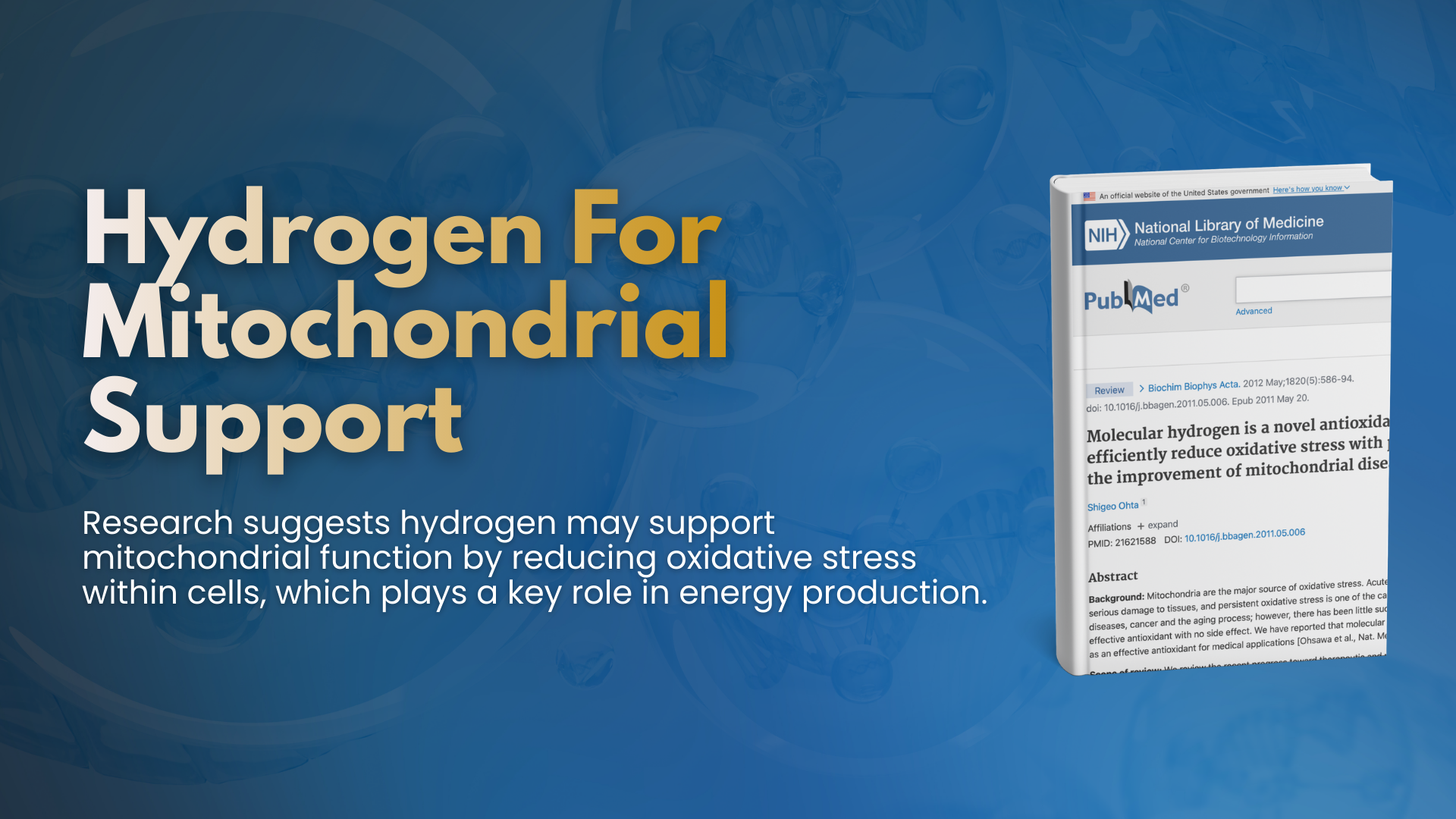
Research over the past decade and a half suggests that molecular hydrogen may act as a selective antioxidant, meaning it preferentially reacts with highly reactive and damaging oxidants such as hydroxyl radicals while not interfering with beneficial reactive oxygen species involved in normal cellular signaling. Beyond direct radical scavenging, studies indicate hydrogen may influence redox-sensitive signaling pathways, gene expression, and mitochondrial function, contributing to reduced oxidative stress and modulation of inflammatory responses. Importantly, hydrogen is not a mineral, vitamin, or alkaline substance; its proposed biological effects are linked specifically to dissolved H₂ gas concentration, often measured in parts per million (ppm), and excess hydrogen is simply exhaled, contributing to its strong safety profile in human research to date.
Why EMF Can Be Harmful
Electromagnetic fields (EMFs), particularly radiofrequency (RF) and extremely low-frequency (ELF) exposures, are forms of non-ionizing radiation emitted by common technologies such as cell phones, Wi-Fi routers, Bluetooth devices, and power lines. While non-ionizing radiation does not directly damage DNA the way ionizing radiation can, multiple experimental and laboratory studies have reported measurable biological responses to EMF exposure — including increases in oxidative stress markers. Oxidative stress occurs when reactive oxygen species (ROS) accumulate faster than the body can neutralize them, potentially contributing to cellular strain over time. Reviews published in peer-reviewed journals have documented that certain EMF exposures can alter antioxidant enzyme activity and increase markers of oxidative imbalance in cells and animal models. The documented relationship between EMF exposure and oxidative stress in experimental settings is one reason some individuals choose to take a precautionary approach to long-term, cumulative exposure in modern environments.
Ukon Turmeric Supplements
The Anespa DX is designed to integrate directly into your existing shower setup without plumbing modifications, making it a practical water-quality upgrade rather than a renovation project. It connects through standard shower fittings and functions passively — meaning once installed, it continuously filters and conditions water every time the shower runs, with no electricity or complicated settings required.
During a typical 10-minute shower, the body can be exposed to 15–25 gallons of water, and while the skin is a protective barrier rather than a sponge, warm water and steam increase surface contact and inhalation of chlorine vapors. If water is not filtered at the source, your skin and lungs become the point of contact for those compounds. By reducing chlorine and conditioning the water before it reaches you, the system helps shift the filtration process to the device rather than your body — supporting the skin barrier and creating a gentler daily exposure experience. The ease of installation, simple cartridge replacement, and compatibility with standard plumbing make it accessible for renters and homeowners alike who want a consistent water-quality upgrade without complexity.

A Deeper Dive Into The EmGuarde
A Deeper Dive Into The EmGuarde
Learn How EMF Can Have Harmful Effects On Our Bodies & How We Can Protect Ourselves

Why Kangen Water Works...
Why Kangen Water Works
Kangen Water “works,” from a scientific standpoint, because it contains dissolved molecular hydrogen gas (H₂). Inside the water that's created from the K8 machine, filtered tap water flows over electrically charged titanium plates, and electrolysis occurs—meaning an electrical current separates some of the water molecules (H₂O), allowing hydrogen gas to form and dissolve directly into the water. It’s this dissolved H₂—not the alkalinity alone—that has been studied for therapeutic potential. Molecular hydrogen is uniquely small and neutral, allowing it to diffuse into cells and tissues where it can selectively neutralize harmful reactive oxygen species and influence cell signaling pathways related to inflammation and oxidative stress.
When hydrogen gas is no longer present (because it dissipates over time), those biological effects are no longer observed in studies, which tells us the benefit is tied specifically to the dissolved hydrogen concentration. A machine that produces hydrogen-rich water on demand allows you to generate and consume it immediately—when hydrogen levels are at their highest—rather than relying on products where hydrogen may degrade before consumption.
Why Kangen Water Works...
How EmGuarde Works
Turmeric supports the body primarily because of its active plant compounds called curcuminoids, especially curcumin. Curcumin is a natural polyphenol with antioxidant properties, meaning it helps neutralize free radicals — unstable molecules produced through normal metabolism and environmental exposure that can contribute to oxidative stress. Research shows curcumin also influences cellular signaling pathways involved in the body’s normal inflammatory response, helping maintain healthy balance rather than shutting natural processes down. It can additionally support the body’s own antioxidant defense enzymes, such as superoxide dismutase (SOD) and catalase.
What makes certain turmeric products different comes down to sourcing, cultivation, and processing — including how the plant is grown, how carefully it is handled after harvest, and whether clean, filtered water and controlled drying methods are used to preserve the integrity of its naturally occurring compounds. While the biological activity comes from turmeric itself, quality cultivation and processing can influence purity, consistency, and overall product integrity compared to generic or mass-produced turmeric sources.
How EmGuarde Works
EmGuarde does not reduce or eliminate EMF emissions from devices. Instead, it is designed as a passive harmonizing technology. The device contains engineered materials that are intended to interact with ambient electromagnetic frequencies in the surrounding environment. When worn or placed nearby, it functions continuously without requiring activation. It does not change signal strength, disrupt connectivity, or alter emission levels from electronics. Its intended use is supportive rather than protective in a shielding sense — meaning it is marketed as influencing the energetic interaction between the body and environmental EMFs, rather than acting as a physical barrier. It is lightweight, portable, maintenance-free, and designed for continuous daily use.
Why Kangen Water Works
Why Kangen Water Works...
Why Kangen Water Works
Kangen Water “works,” from a scientific standpoint, because it contains dissolved molecular hydrogen gas (H₂). Inside the water that's created from the K8 machine, filtered tap water flows over electrically charged titanium plates, and electrolysis occurs—meaning an electrical current separates some of the water molecules (H₂O), allowing hydrogen gas to form and dissolve directly into the water. It’s this dissolved H₂—not the alkalinity alone—that has been studied for therapeutic potential. Molecular hydrogen is uniquely small and neutral, allowing it to diffuse into cells and tissues where it can selectively neutralize harmful reactive oxygen species and influence cell signaling pathways related to inflammation and oxidative stress. When hydrogen gas is no longer present (because it dissipates over time), those biological effects are no longer observed in studies, which tells us the benefit is tied specifically to the dissolved hydrogen concentration. A machine that produces hydrogen-rich water on demand allows you to generate and consume it immediately—when hydrogen levels are at their highest—rather than relying on products where hydrogen may degrade before consumption.
Copyright © 2026. All rights reserved. Elevated Hydration